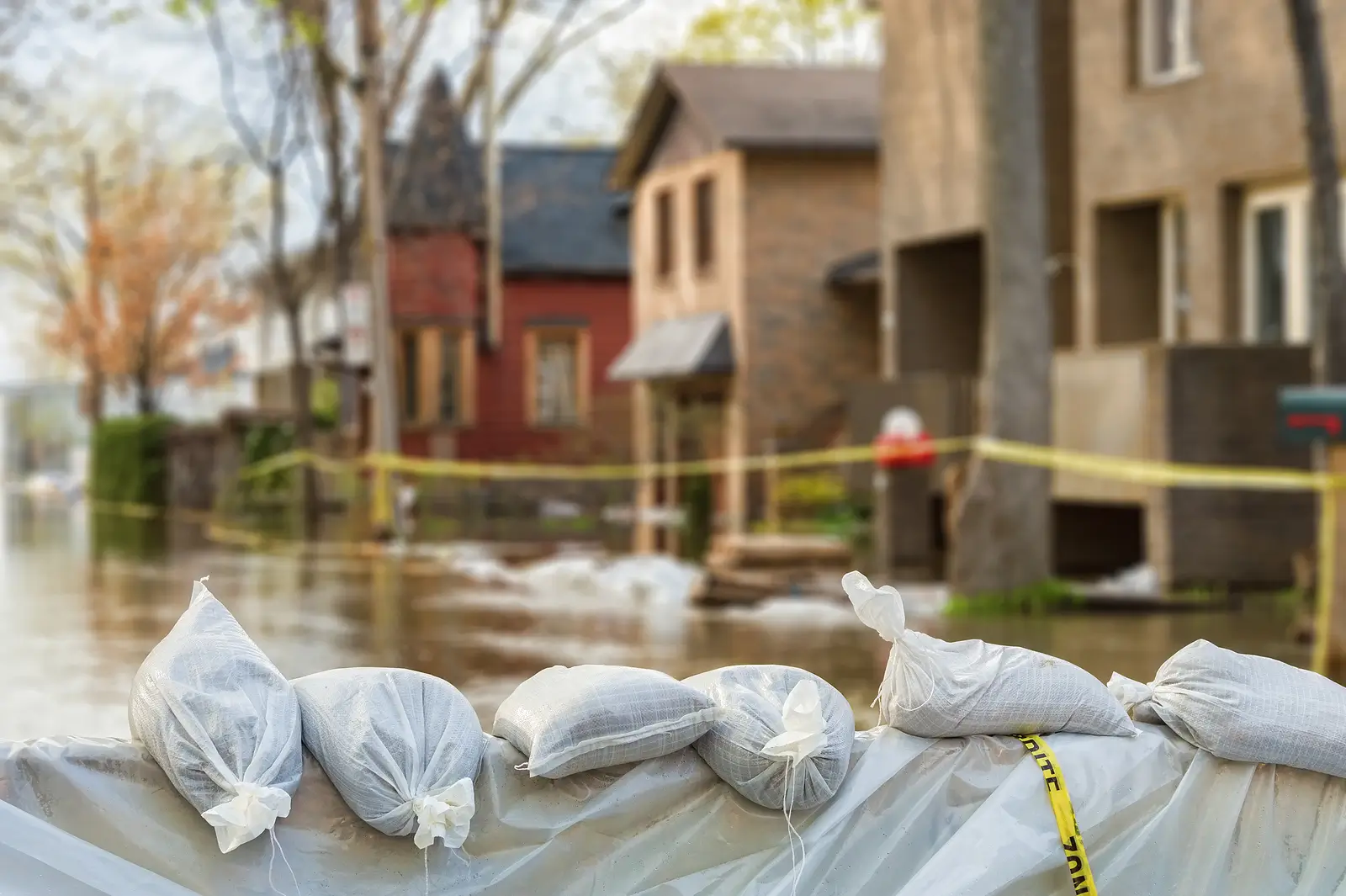
Flooding has become a growing concern across Florida, and Jacksonville landlords are feeling the impact firsthand. Between stronger storms, rising insurance costs, and increased tenant awareness, renters now expect more transparency before signing a lease. In 2026, flood disclosure requirements are no longer something landlords can treat as an afterthought. They are becoming a critical part of risk management, legal compliance, and tenant communication.
For property owners and real estate investors in Jacksonville, the lease process is changing. What used to be a simple rental agreement now requires clear disclosures about flood risks, past water damage, insurance expectations, and property conditions. Tenants want to know whether a home has flooded before, whether it sits in a flood zone, and what responsibilities they may have during severe weather events.
At the same time, landlords are trying to balance compliance with profitability. More paperwork can feel overwhelming, especially for investors managing multiple properties. But there is another side to these updated requirements. When handled properly, flood disclosures can actually strengthen landlord-tenant relationships, reduce liability, and protect long-term investments.
Key Takeaways
- Jacksonville landlords in 2026 must pay closer attention to flood disclosure requirements during the lease process.
- Clear communication about flood risks helps reduce legal disputes and tenant dissatisfaction.
- Properties located in FEMA-designated flood zones may require additional disclosures and insurance considerations.
- Investors who stay proactive can better protect rental income and property value.
- Professional property management can simplify compliance while improving tenant confidence.
Why Flood Disclosure Requirements Matter More Than Ever
Jacksonville’s location makes it particularly vulnerable to flooding. Heavy rainfall, hurricanes, storm surge, and overflowing waterways all contribute to the city’s flood risks. Neighborhoods near the St. Johns River and coastal areas have seen repeated flooding events over the years, increasing pressure on landlords to provide accurate information to tenants.
In previous years, many renters entered into leases without fully understanding the flood risks associated with a property. Some only discovered issues after severe weather caused water intrusion, mold damage, or evacuation concerns. That lack of transparency created frustration, disputes, and in some cases, legal action.
The 2026 environment is different. Tenants are asking more questions before signing a lease, and regulators are placing greater emphasis on disclosure practices. Landlords who fail to communicate material information about flood exposure may face financial and legal consequences.
For investors, this shift is not just about compliance. It is also about protecting reputation. A property owner known for transparency is more likely to attract reliable tenants and maintain long-term occupancy.
What Jacksonville Landlords Should Include in the Lease Process
Flood disclosures are not simply a checkbox. They should be part of a well-organized leasing process that informs tenants while protecting the property owner’s interests.
Here are several areas landlords should address in 2026.
Explain Whether the Property Is Located in a Flood Zone
One of the first questions tenants ask is whether the property sits inside a FEMA flood zone. Landlords should clearly communicate this information upfront rather than waiting until lease signing day.
Flood zones can affect:
- Insurance requirements
- Evacuation risks
- Future flooding potential
- Tenant expectations during storms
Even properties outside high-risk flood zones can still experience flooding during extreme weather. Being transparent about known risks builds credibility with prospective tenants.
Disclose Previous Flood or Water Damage History
If a rental property has experienced flooding or significant water intrusion in the past, tenants deserve to know. This does not necessarily make the property undesirable. Many homes in Jacksonville have undergone repairs and improvements after storms.
However, hiding previous incidents can create major trust issues later.
A proper disclosure should explain:
- When the flooding occurred
- What damage happened
- What repairs or remediation were completed
- Whether future preventive measures were installed
Providing this information demonstrates professionalism rather than weakness.
Clarify Tenant Insurance Expectations
Many renters assume the landlord’s insurance policy protects their personal belongings. In reality, landlord insurance usually covers the building itself, not the tenant’s possessions.
Because of Jacksonville’s flood risks, landlords should strongly encourage renters' insurance and clearly explain coverage limitations. Some landlords are even making renters' insurance mandatory within lease agreements.
This helps tenants understand their responsibilities while reducing disputes after storm-related losses.
The Legal Risks of Incomplete Flood Disclosures
Some landlords worry that flood disclosures may scare tenants away. In practice, the bigger risk often comes from failing to disclose important information.
When tenants discover undisclosed flood problems after moving in, landlords can face:
- Lease termination disputes
- Claims of misrepresentation
- Negative online reviews
- Repair disagreements
- Potential legal action
In Florida’s competitive rental market, reputation matters. Investors who prioritize transparency tend to avoid many of these costly problems.
Documentation also becomes essential. Landlords should maintain records of signed disclosures, inspection reports, repair invoices, and communications related to flooding or water damage. Organized documentation can provide valuable protection if disputes arise later.
Flood Risks Are Also Changing Property Investment Strategies
Flood disclosure rules are influencing more than lease agreements. They are also shaping how investors evaluate Jacksonville rental properties.
Many buyers now look beyond rental income projections and focus on long-term environmental risks. Flood exposure can affect:
- Property insurance premiums
- Financing requirements
- Maintenance costs
- Future resale value
- Vacancy rates
Some investors are shifting toward properties in lower-risk areas, while others are investing heavily in flood mitigation improvements.
These upgrades may include:
- Elevated HVAC systems
- Improved drainage systems
- Flood barriers
- Waterproof flooring
- Foundation improvements
Although these projects require upfront costs, they can improve tenant confidence and reduce long-term expenses.
Tenants Are Becoming More Educated About Flood Risks
Today’s renters conduct far more research before signing a lease. Many check FEMA maps, local flood histories, online reviews, and neighborhood discussions before touring a property.
That means landlords cannot rely on vague language or incomplete explanations anymore.
Instead, successful property owners are approaching flood communication proactively. They answer questions directly, provide documentation when appropriate, and explain the steps taken to protect the property.
This approach often creates stronger tenant relationships from the beginning.
Tenants appreciate honesty, especially when discussing serious topics like storm preparedness and property safety. Clear communication can reduce move-outs and encourage lease renewals because renters feel more confident about where they live.
Jacksonville Property Owners Face Insurance Challenges Too
Flood disclosures are closely connected to insurance trends in Florida. Insurance premiums continue rising across many parts of the state, especially for properties located in higher-risk areas.
Landlords are dealing with:
- Increased flood insurance costs
- Higher deductibles
- Stricter underwriting standards
- More detailed property inspections
These costs can directly affect rental pricing and property profitability.
For some landlords, balancing affordability and risk management has become increasingly difficult. Investors must carefully evaluate whether rental income can cover rising operating costs.
At the same time, avoiding proper disclosures to keep units occupied is not a sustainable strategy. Transparency protects landlords financially over the long term, even if difficult conversations happen upfront.
Building a Stronger Lease Process in 2026
The strongest landlords are not simply reacting to flood disclosure requirements. They are using this opportunity to improve the entire leasing experience.
A modern lease process should include:
Clear Written Disclosures
Avoid vague language. Use direct explanations that tenants can easily understand.
Property Condition Documentation
Photos, inspection reports, and maintenance records create transparency and reduce misunderstandings.
Storm Preparation Information
Tenants should know evacuation procedures, emergency contacts, and maintenance expectations during hurricane season.
Consistent Communication
Landlords and property managers should respond quickly to flood-related concerns and maintenance requests.
These steps help create a more professional rental experience while reducing risk exposure for everyone involved.
Why Professional Property Management Can Make Compliance Easier
Many Jacksonville investors own multiple properties, making disclosure management more complicated. Tracking flood zone updates, lease revisions, insurance documents, and maintenance records takes time and organization.
This is where professional property management becomes valuable.
An experienced property management company can help landlords:
- Maintain compliant lease documentation
- Coordinate inspections and repairs
- Communicate with tenants professionally
- Track maintenance history
- Respond quickly during storm emergencies
- Reduce legal and operational risks
Professional oversight can be especially important for out-of-state investors who may not fully understand Jacksonville’s flood-related challenges.
Frequently Asked Questions About Jacksonville Flood Disclosures
Do landlords in Jacksonville have to disclose flood history to tenants?
In many situations, landlords should disclose known flooding issues or material water damage history to avoid potential legal disputes and maintain transparency with tenants.
Can tenants break a lease due to flooding?
It depends on the situation. Severe undisclosed flood damage, unsafe living conditions, or habitability concerns may create legal grounds for lease disputes or termination.
Is renters' insurance required in flood-prone areas?
Not always, but many landlords strongly encourage or require renters' insurance to protect tenants’ personal belongings from storm-related losses.
How can landlords check whether a property is in a flood zone?
Property owners can review FEMA flood maps, local government resources, and insurance assessments to determine flood zone classifications.
Do flood disclosures affect property value?
They can. Properties with higher flood risks may face insurance challenges or buyer hesitation, but proactive mitigation improvements can help protect value over time.
Protecting Your Investment Starts With Smarter Property Management
Flood disclosure requirements are becoming a permanent part of Jacksonville’s rental market, and landlords who stay proactive will be in the strongest position moving forward. Clear communication, organized lease processes, and proper documentation are no longer optional. They are essential tools for protecting both tenants and investments.
For property owners seeking help navigating Jacksonville’s evolving rental landscape, DoorVine Property Management offers professional support to simplify compliance, reduce operational stress, and improve tenant relationships. Whether you need leasing assistance, property oversight, or expert guidance on managing rental risks, working with an experienced local team can make all the difference.
Explore DoorVine Property Management’s services to learn how professional management can help you protect your properties and grow your investment portfolio with confidence.